Mozart's Great Mass in C minor, K. 427
In 1782, Mozart did something his controlling father had expressly forbidden: he married Constanze Weber, a woman Leopold considered beneath his brilliant son. Wolfgang, defiant but not entirely guilt-free, made a vow. If he married Constanze and brought her home to Salzburg, he would write a great new mass in thanksgiving.
He kept half his promise. The couple travelled to Salzburg the following year, and the mass was performed there — with Constanze reportedly singing one of the soprano solos herself. But the score Mozart handed over was incomplete. There was no Agnus Dei. The Sanctus trailed off unfinished. Nobody knows exactly why. Maybe he ran out of time. Maybe, having said what he needed to say, he simply stopped.
This is sacred music written by a man who'd spent a decade in the opera house — and it shows, in every bar.
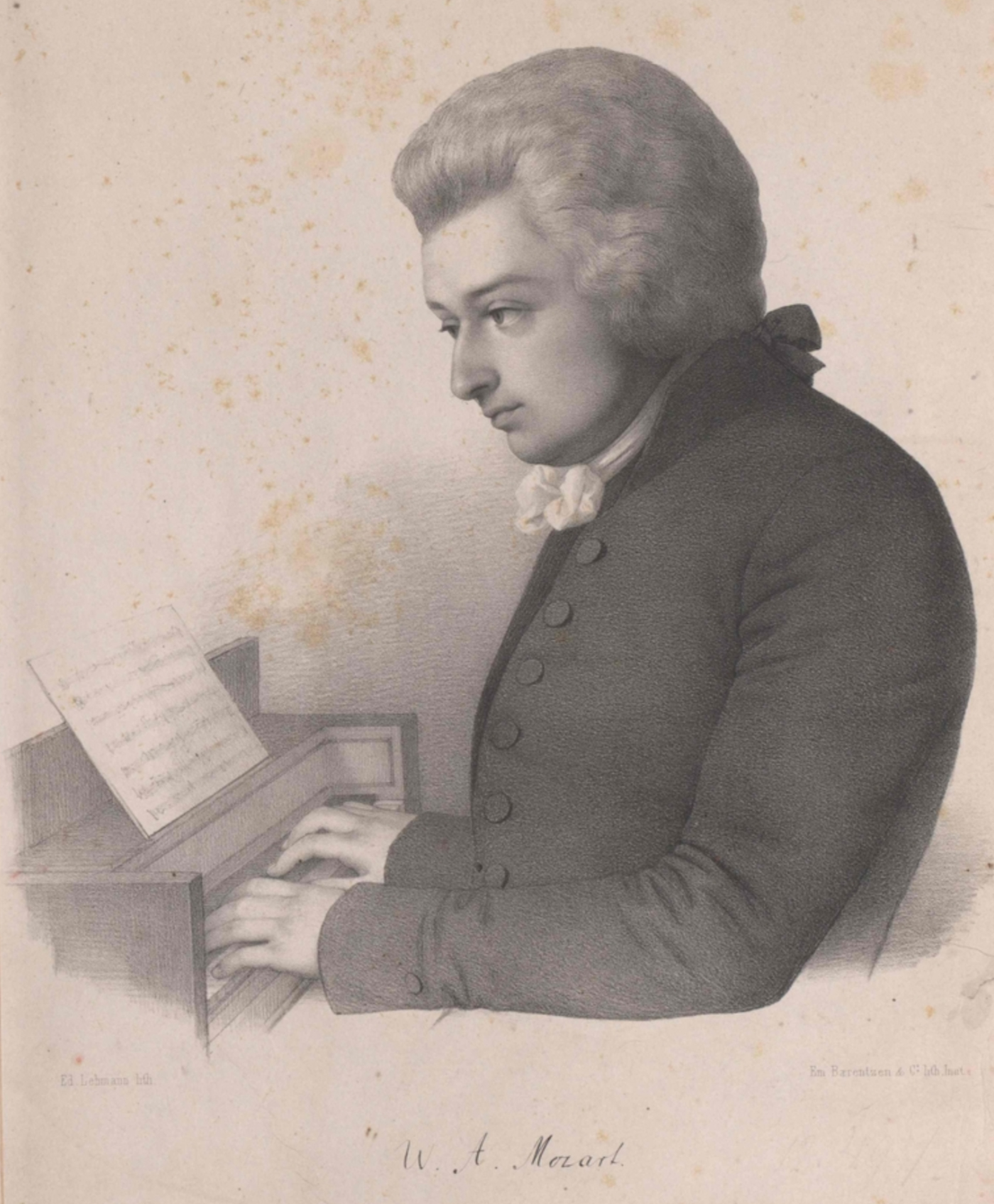 What he left behind is extraordinary. It's not solemn, church music: this is Mozart at his most theatrical, most exposed, and frankly most human. The soprano writing throughout is thought to have been shaped around Constanze's own voice — and possibly her situation. There's real tenderness in it, and real vulnerability too.
The mass swings between moods with startling speed. The "Laudamus te" is a dazzling showpiece, all vocal fireworks and swagger. The "Domine Deus" has two sopranos trading flirtatious, almost teasing lines with each other. Then the "Qui tollis" arrives like a thunderclap — a double choir over a bass line that tolls like a bell, dark and unrelenting, pointing forward to the Requiem Mozart would write nearly a decade later. The "Et incarnatus est" is pure magic: one soprano, floating above the orchestra, in music so delicate it barely seems to touch the ground.
Composers have spent 200 years trying to finish the job Mozart abandoned. Tonight's performance uses one of those completions, filling in the missing pieces as faithfully to Mozart's style as scholarship allows — while leaving the joins visible, because pretending otherwise would be dishonest.
It's tempting to read the whole thing as a snapshot of a young man torn between the pious, provincial Salzburg he'd rejected, and the glamorous, operatic Vienna he'd run off to instead. That might be reading too much into it, but not much. This is sacred music with real drama written by someone who'd spent the last ten years writing for the stage — and it shows.
Unfinished, yes. Second-rate, never.