Autumn 2025: Music of Faith and Renewal
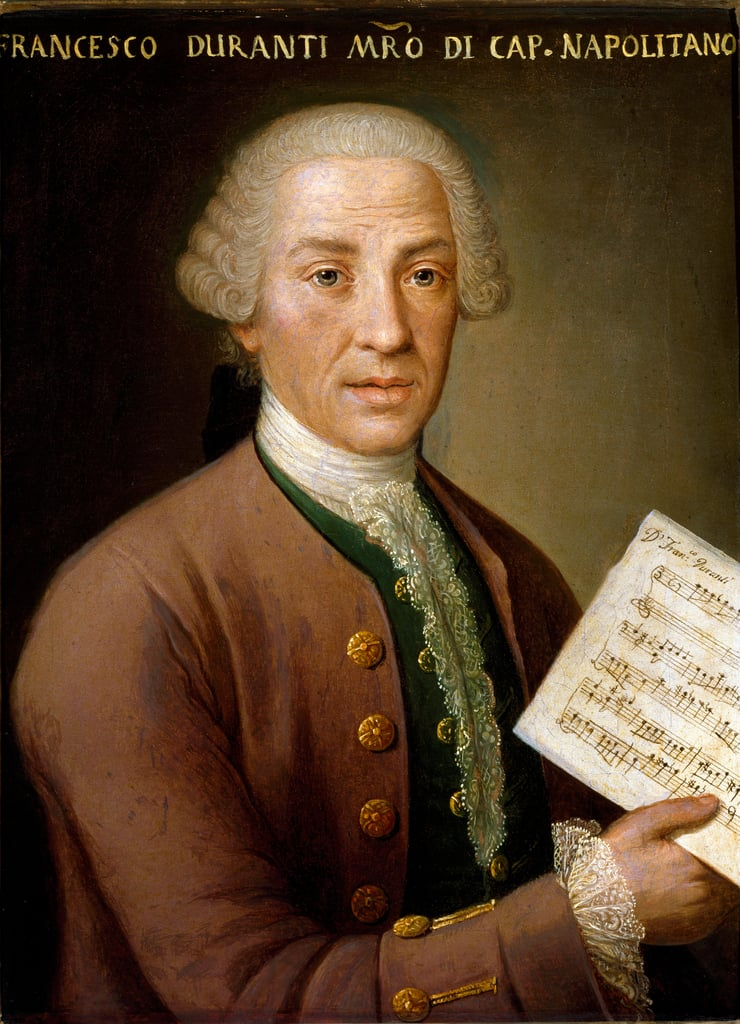
On November 15th join us for an inspiring evening of choral masterworks that span centuries, from the Baroque to today. The programme opens with the radiant 'Magnificat', once attributed to Pergolesi but now credited to his contemporary Francesco Durante, a work of graceful counterpoint and devotional beauty. Contemporary composer Tarik O’Regan brings a fresh voice with his striking Triptych, weaving together luminous harmonies and rhythmic energy in a modern meditation on spiritual themes.
The second half and the heart of the concert is Antonín Dvořák’s Mass in D Major, Op. 86, a deeply personal expression of faith. Written originally for choir, soloists, and organ in a country chapel in Lužany in what is now the Czech Republic, this “Lužany Mass” blends intimacy, lyricism, and heartfelt devotion. From the jubilant Gloria to the serene closing Agnus Dei, Dvořák’s Mass radiates both simplicity and profound beauty.
Together, these three works invite listeners into a journey across time and style, celebrating music’s enduring power to express wonder, devotion, and hope.
The choir will be conducted by Jonathan Lee with organ and strings accompaniment.
Antonín Dvořák – Mass in D Major, Op. 86
Antonín Dvořák (1841–1904) is best known for his symphonies and chamber music, but his sacred works reveal another side of his artistry. Among them, the Mass in D Major, Op. 86 stands out as one of his most personal and heartfelt compositions.
The Mass was written in 1887 at the request of Josef Hlávka, a prominent Czech architect and philanthropist who had built a chapel on his country estate at Lužany. Hlávka asked Dvořák for a new setting of the Catholic Mass to mark the chapel’s consecration. Dvořák responded with a work for choir, soloists, and organ, composed in just a few weeks. In his own words, he aimed for “a work that is modest, and therefore, I hope, will appeal to you.”
Because it was designed for a small chapel, the original version uses simple forces, but Dvořák later orchestrated the work in 1892, allowing it to reach a wider audience. Both versions capture the same spirit: music that is sincere, lyrical, and deeply rooted in the composer’s faith. Our performance will be accompanied by organ and a group of string player.
The Mass in D follows the traditional structure of the Roman Catholic Ordinary—Kyrie, Gloria, Credo, Sanctus, Benedictus, and Agnus Dei. Each movement blends reverence with Dvořák’s natural melodic gift. The opening Kyrie offers quiet prayer, while the Gloria bursts with jubilant energy. The expansive Credo ranges from bold proclamation to tender reflection, and the Sanctus radiates majesty. The lyrical Benedictus highlights the dialogue between solo voices and chorus, and the final Agnus Dei closes with a serene plea for peace.
Though modest in scale, the Mass in D Major is far from simple. Its graceful melodies often recall Czech folk song, and its rhythmic vitality reflects Dvořák’s national roots. More importantly, the work conveys a profound sincerity that continues to resonate with audiences. Whether in a chapel or a concert hall, the Lužany Mass—as it is often called—remains one of Dvořák’s most enduring testaments of faith and artistry.

Tarik O’Regan – Triptych
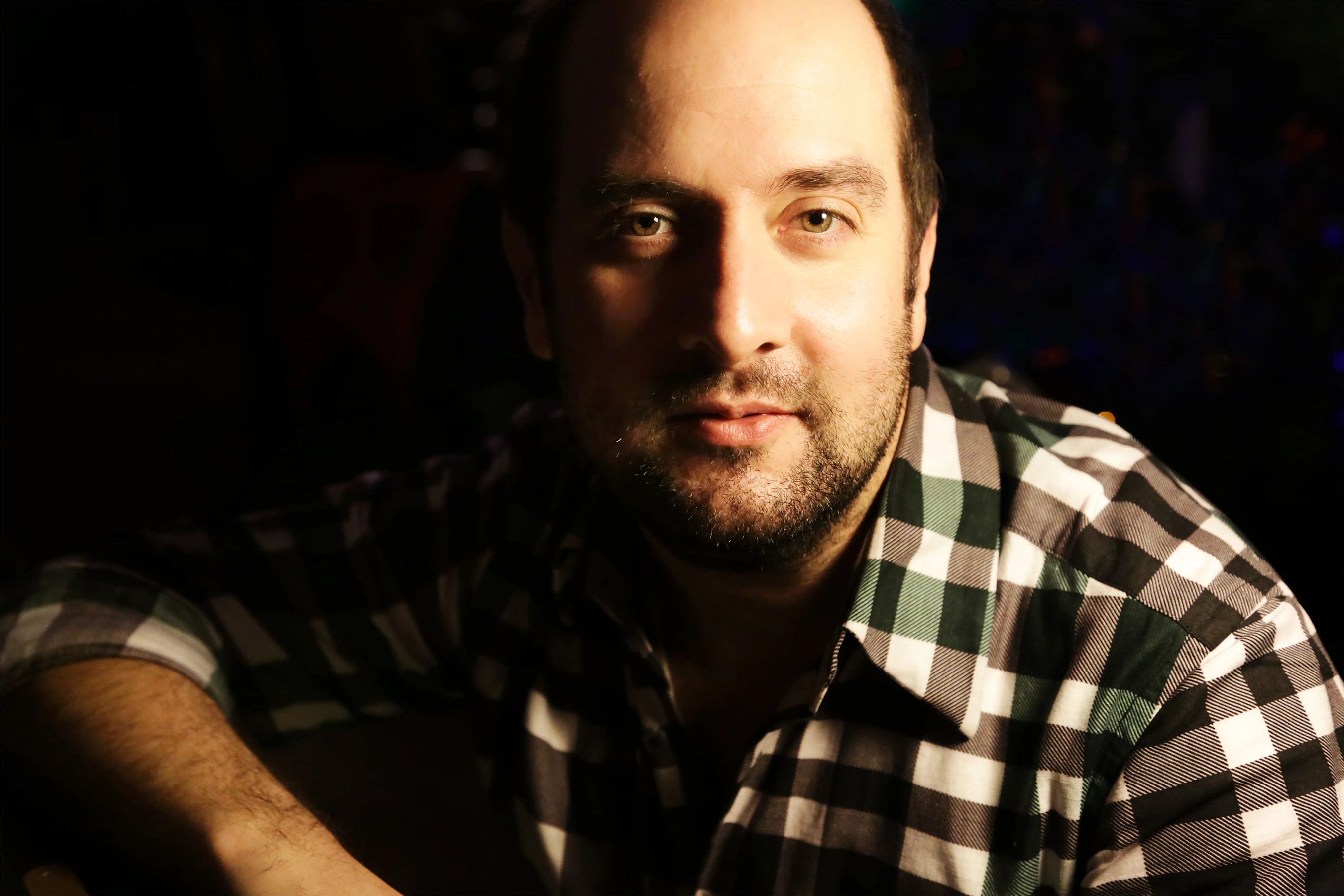
Born in London in 1978, Tarik O’Regan has become one of the most distinctive choral voices of his generation, known for music that combines rhythmic vitality, lush harmonies, and an openness to diverse influences. His Triptych (2005) is among his most celebrated works for choir, a modern meditation on faith and spirituality that has quickly entered the international choral repertoire.
Commissioned by the BBC Symphony Chorus, Triptych is a three-movement setting of texts drawn from diverse sources, ranging from the Psalms to medieval poetry. The work is unified not by narrative, but by atmosphere: moments of radiant stillness are set against driving rhythmic passages, creating a musical language at once ancient and modern. O’Regan’s hallmark style—shimmering textures, overlapping rhythmic patterns, and soaring vocal lines—brings the texts to life with both immediacy and depth.
Each movement explores a different aspect of devotion. The opening emphasizes luminous vocal sonorities that seem to suspend time. The central section is more urgent, driven by pulsing rhythms and syncopated patterns, while the final movement returns to a more contemplative mood, gradually unfolding into a vision of transcendent calm.
O’Regan has often spoken of drawing inspiration from a wide range of traditions, from Renaissance polyphony to North African music, and Triptych reflects that breadth. Its fusion of accessible beauty with modern choral technique has made it a favourite of choirs worldwide. At once meditative and exhilarating, Triptych speaks with a voice of our own century while connecting deeply to timeless spiritual questions.
Francesco Durante – Magnificat in B-flat Major
For many years, this luminous Magnificat was attributed to Giovanni Battista Pergolesi, whose early death at the age of 26 made every piece under his name especially cherished. Recent scholarship, however, has confirmed that the work was composed by his Neapolitan contemporary and teacher Francesco Durante (1684–1755), one of the most respected church composers of his generation.
The Magnificat—Mary’s song of praise from the Gospel of Luke—is one of the central canticles of Christian liturgy. Durante’s setting exemplifies the brilliance of the Neapolitan Baroque style, with clear counterpoint, expressive harmonies, and an engaging alternation between soloists and choir. While less flamboyant than operatic writing of the period, the music achieves a balance of reverence and vitality.
Structured in multiple movements, the work moves gracefully between contemplative and exuberant sections. The opening establishes a tone of joy, while later movements highlight the text’s more reflective passages, such as “Et misericordia” (His mercy is on those who fear Him). The final “Gloria Patri” crowns the piece with a jubilant affirmation of praise.
Durante’s sacred music was widely admired during his lifetime, and he trained many prominent composers, including Pergolesi himself. This Magnificat reflects both his mastery of choral writing and his ability to craft music of clarity, elegance, and heartfelt devotion. Today, it continues to shine as one of the most beloved sacred works of the 18th-century Neapolitan school.